
Trusted by Leading eCommerce Brands







Unlock your D2C commerce potential with our custom software development expertise
Our product discovery services help eCommerce businesses launch faster, smarter, and with clarity. From validating your concept and defining user journeys to crafting wireframes and choosing the right tech stack, we turn ideas into revenue-ready products.
Our cloud-native D2C commerce architectures are built for scalability. Whether you’re expecting 100 orders or 10,000, our D2C commerce experts develop solutions that are tested to handle spikes and scale dynamically. We also implement modular microservices that evolve with your business needs without disrupting operations.
We empower eCommerce businesses with seamless system integrations that unify your storefront, inventory, CRM, and logistics into one intelligent ecosystem. Our D2C commerce expertise ensures smooth data flow, real-time updates, and operational efficiency.
We follow agile methodologies combined with continuous integration and delivery (CI/CD) pipelines to ensure your D2C product evolves fast. From MVP to full-scale launch, we accelerate release cycles without compromising quality, helping new businesses respond to market shifts quickly.
Using AI-driven recommendation engines, user behavior tracking, and customer segmentation, we help you deliver hyper-personalized experiences. From personalized product feeds to automated marketing, our solutions build deeper customer relationships and boost LTV (lifetime value).
Our regular, meticulously planned software updates incorporate the latest security protocols, performance enhancements, and feature enrichments, guaranteeing a robust, secure, and cutting-edge eCommerce experience for sustained growth and customer trust.

Our D2C platform development services include









Our success stories in eCommerce

Developing an eCommerce app and mobile CMS for India’s largest street fashion & apparel retailer
Explore Case Study
Daffodil refreshes the look and feel of India's largest eye-wear platform Lenskart
Explore Case Study
Daffodil helps OLX CashMyCar to re-engineer their mobile application, resulting in 47% increase in conversion rate
Explore Case Study
Developing a shopping and beauty e-commerce platform for an emerging Indian startup
Explore Case Study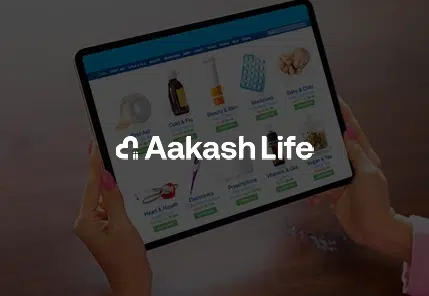
Beauty and wellness e-commerce platform development for Aakash Life
Explore Case Study
National Nutrition, Canada's leading natural health product company revamped its e-commerce portal
Explore Case StudyHear eCommerce wins directly from the clients
Succhi Ramesh
Founder & CEO, Succhi Inc.

Alfred Swartzbaugh
Founder & CEO, Match Rider
““They communicate very well, which is rare in development. They understand what I’m saying and implement accordingly—a soft skill that’s critical in remote development.””

Mitchel Annable
Director, Property Lab
““We’re pleased with the end result of the projects because it’s a collaboration. We don’t have a supplier-customer relationship, but they’re part of our team and work well with us. We’re very happy with the deliverables; they know our business very well after six years. “”
James Nieman
Creator and Founder, Sorta Jobs

Steve Ward
CEO, Master Matchmakers
““Their work ethic and determination to get the job done right. They are incredibly diligent and the management of the company has invested heavily in finding the right talent to consult on product development. They have developed best practices for the discovery and design stage that is crucial to proper execution and high-fidelity quotes and schedules.””

Hiroki Minaki
Founder, AreaOwl
““They’ve taught me and guided me all along the way. It’s been good. I have no issue with the quality of the website that’s been developed. Value is very good. I talked to several companies in Silicon Valley and I’m probably getting several times more work done with the same budget.””
Succhi Ramesh
Founder & CEO, Succhi Inc.
Alfred Swartzbaugh
Founder & CEO, Match Rider
““They communicate very well, which is rare in development. They understand what I’m saying and implement accordingly—a soft skill that’s critical in remote development.””
Mitchel Annable
Director, Property Lab
““We’re pleased with the end result of the projects because it’s a collaboration. We don’t have a supplier-customer relationship, but they’re part of our team and work well with us. We’re very happy with the deliverables; they know our business very well after six years. “”
James Nieman
Creator and Founder, Sorta Jobs
Steve Ward
CEO, Master Matchmakers
““Their work ethic and determination to get the job done right. They are incredibly diligent and the management of the company has invested heavily in finding the right talent to consult on product development. They have developed best practices for the discovery and design stage that is crucial to proper execution and high-fidelity quotes and schedules.””
Hiroki Minaki
Founder, AreaOwl
““They’ve taught me and guided me all along the way. It’s been good. I have no issue with the quality of the website that’s been developed. Value is very good. I talked to several companies in Silicon Valley and I’m probably getting several times more work done with the same budget.””
Comprehensive user-specific feature set
 Wishlist & save for later
 Personalized product recommendations
 Guest checkout
 Omnichannel integration
 Multiple payment options
 Order history & trackingAuto subscription options
 AI-based search
 Virtual product try-on
 Loyalty points & rewards

Supply chain, streamlined: custom D2C solutions that deliver bottom-line results

Custom inventory management systems
Improve your inventory operations with our custom inventory management software development services that provide real-time visibility across all your sales channels. We develop D2C commerce solutions that synchronize inventory data across your website, mobile app, physical stores, and marketplace integrations.

Distributed warehousing networks
Delight your customers with faster deliveries while reducing shipping costs through distributed warehousing network solutions that strategically position your inventory closer to key customer segments. We develop D2C location intelligence tools that analyze your customer distribution, order patterns, and delivery expectations to design the optimal network configuration.

Bundle Order Processing
Offer curated product bundles with precision using advanced bundle management capabilities. Streamline fulfillment for combo orders while creating unique shopping experiences that set your brand apart, drive conversions, and boost customer satisfaction in a competitive D2C market.
Choose engagement model as per your business requirement

Fixed cost model
Perfect for well-defined projects with clear requirements. We deliver your wearable app within an agreed timeline and budget, with no hidden costs. Ideal for startups and businesses with a specific vision and limited flexibility needs.

Time and material model
Offers flexibility for evolving project requirements. Pay only for actual hours worked and resources used. Provides transparency, adaptability for scope changes, and continuous control over development priorities throughout your wearable app journey.
Dedicated team model
Gain an extension of your in-house team with specialists exclusively assigned to your wearable project. Ensures consistent focus, deeper product understanding, and seamless collaboration while maintaining direct management over resources and development pace.
Integrate emerging technologies to meet evolving customer preferences








Don't just dream it, build it: Start your free D2C consultation!
Talk to our expertsShaping the future of direct engagement – Your partner in building D2C commerce solutions

At Daffodil software, we specialize in creating custom D2C commerce platforms, tailoring our approach to meet the unique needs of your business. Our team focuses on delivering personalized, effective solutions that differentiate your brand in the direct-to-consumer space.
As a partner in your business growth, we focus on agility and precision, allowing you to respond to market changes swiftly and with confidence. We understand the importance of direct customer engagement and are committed to transforming your vision into a tangible reality. With our technology, your products will not only reach consumers directly but also create an impactful and lasting impression.
Streamline your D2C journey with our effortless development process

Requirement gathering
We begin by conducting in-depth discussions to understand your business objectives, technical needs, and user expectations. This analysis includes feasibility studies to ensure the platform can scale effectively.
Cost & time scoping
Once the requirements are defined, we deliver a comprehensive estimate that outlines project timelines, development phases, resource allocation, and total costs. This promotes transparency and establishes realistic expectations for deliverables.
Design & wireframing
Our design team develops wireframes and prototypes, focusing on user experience and intuitive navigation to make sure that the design is responsive across mobile and desktop devices.
Tech stack selection and architecture planning
We select the appropriate technology stack, often leveraging front-end frameworks and back-end services. We plan the technical architecture to support scalability, high performance, and robust data handling.
Development and integration
We implement the frontend and backend components, ensuring seamless integration of features like product management, customer accounts, and inventory management. We also develop APIs for third-party integrations and implement essential security features.
Testing and quality assurance
This involves rigorous testing, including functional, usability, and performance testing, to ensure the platform operates flawlessly. We validate integrations with external systems to ensure smooth data flow and perform user acceptance testing (UAT).
Launch and deployment
We set up the production environment, deploy the platform, and ensure proper server and database configuration. Post-launch, we monitor the platform closely to swiftly identify and resolve any issues to ensure a smooth launch experience.
Maintenance and support
We continuously optimize the platform based on customer feedback and emerging trends in D2C commerce, implementing updates to improve performance and add new features.
(item.title)+×
(item.content) && (We begin by conducting in-depth discussions to understand your business objectives, technical needs, and user expectations. This analysis includes feasibility studies to ensure the platform can scale effectively.
(item.title)+×
(item.content) && (Once the requirements are defined, we deliver a comprehensive estimate that outlines project timelines, development phases, resource allocation, and total costs. This promotes transparency and establishes realistic expectations for deliverables.
(item.title)+×
(item.content) && (Our design team develops wireframes and prototypes, focusing on user experience and intuitive navigation to make sure that the design is responsive across mobile and desktop devices.
(item.title)+×
(item.content) && (We select the appropriate technology stack, often leveraging front-end frameworks and back-end services. We plan the technical architecture to support scalability, high performance, and robust data handling.
(item.title)+×
(item.content) && (We implement the frontend and backend components, ensuring seamless integration of features like product management, customer accounts, and inventory management. We also develop APIs for third-party integrations and implement essential security features.
(item.title)+×
(item.content) && (This involves rigorous testing, including functional, usability, and performance testing, to ensure the platform operates flawlessly. We validate integrations with external systems to ensure smooth data flow and perform user acceptance testing (UAT).
(item.title)+×
(item.content) && (We set up the production environment, deploy the platform, and ensure proper server and database configuration. Post-launch, we monitor the platform closely to swiftly identify and resolve any issues to ensure a smooth launch experience.
(item.title)+×
(item.content) && (We continuously optimize the platform based on customer feedback and emerging trends in D2C commerce, implementing updates to improve performance and add new features.
Requirement gathering
We begin by conducting in-depth discussions to understand your business objectives, technical needs, and user expectations. This analysis includes feasibility studies to ensure the platform can scale effectively.
Cost & time scoping
Once the requirements are defined, we deliver a comprehensive estimate that outlines project timelines, development phases, resource allocation, and total costs. This promotes transparency and establishes realistic expectations for deliverables.
Design & wireframing
Our design team develops wireframes and prototypes, focusing on user experience and intuitive navigation to make sure that the design is responsive across mobile and desktop devices.
Tech stack selection and architecture planning
We select the appropriate technology stack, often leveraging front-end frameworks and back-end services. We plan the technical architecture to support scalability, high performance, and robust data handling.
Development and integration
We implement the frontend and backend components, ensuring seamless integration of features like product management, customer accounts, and inventory management. We also develop APIs for third-party integrations and implement essential security features.
Testing and quality assurance
This involves rigorous testing, including functional, usability, and performance testing, to ensure the platform operates flawlessly. We validate integrations with external systems to ensure smooth data flow and perform user acceptance testing (UAT).
Launch and deployment
We set up the production environment, deploy the platform, and ensure proper server and database configuration. Post-launch, we monitor the platform closely to swiftly identify and resolve any issues to ensure a smooth launch experience.
Maintenance and support
We continuously optimize the platform based on customer feedback and emerging trends in D2C commerce, implementing updates to improve performance and add new features.
Why Daffodil Software
Recognized excellence. proven customer satisfaction





25+
Years Of Software Engineering Excellence

150+
Global Clientele

4.8
Avg CSAT Score

95%
Customer Retention Rate

1000+
Software Engineering Experts

50+
Subject Matter Experts
Innovation redefined
We create agile and adaptable D2C commerce solutions for your organizations.
Watch our brand video.
Tools And Technologies We Excel In
Daffodil has been an early adopter of emerging technologies and has built extensive experience in various programming languages, frameworks, libraries, and tools. We continuously experiment with new technologies through our in-house R&D labs and pass on the learnings to our clients for a competitive edge.


Your first D2C commerce solution consulting session is on us!

Frequently asked questions (FAQs)
D2C stands for Direct-to-Consumer. In commerce, D2C refers to a business model where manufacturers or producers sell their products directly to consumers, bypassing traditional middlemen like retailers, wholesalers, and distributors. This approach allows companies to have full control over their brand, marketing, sales tactics, and customer experience.
Direct-to-Consumer (D2C) commerce solutions offer several key benefits:
1. Higher Profit Margins: Eliminating intermediaries increases revenue.
2. Valuable Customer Data: Direct interaction provides insights for better decision-making.
3. Brand Control: Full control over branding and customer engagement.
4. Personalized Relationships: Closer connection with customers enhances loyalty.
5. Agility: Faster response to market trends and consumer feedback.
6. Customization Opportunities: Ability to offer personalized products or services.
7. Reduced Retail Dependency: Independence from third-party retailer challenges.
8. Direct Feedback: Immediate insights from customers to improve offerings.
9. Niche Marketing: Effectively target specific customer segments.
10. E-commerce Growth: Capitalize on the increasing trend of online shopping.
An ideal Direct-to-Consumer (D2C) commerce solution should have:
1. Responsive Design: Optimized for all devices, especially mobile.
2. Secure Payment Options: Multiple, secure payment methods.
3. Customer Data Insights: Tools to collect and use customer data for personalization.
4. Efficient Fulfillment: Real-time inventory and streamlined order processing.
5. Fast, Reliable Shipping: Quick delivery with order tracking.
6. Customer Relationship Management: Integrated CRM for better engagement.
7. Performance Analytics: Tools to track sales and user behavior.
8. Scalable Infrastructure: Can grow with the business.
9. Strong Customer Support: Easily accessible support across various channels.
10. SEO and Marketing Tools: To attract and retain customers effectively.
When selecting a D2C platform, consider your growth trajectory, customization needs, integration requirements with existing systems, total cost of ownership, mobile capabilities, and scalability. The right platform should align with your specific business model and provide the flexibility to evolve as your brand grows.
Implementation timelines vary based on complexity, typically ranging from 2-3 months for basic setups to 6-12 months for enterprise-level platforms. Factors affecting the timeline include customization requirements, integration complexity, data migration needs, and testing cycles.
D2C platform costs typically range from $20,000-$50,000 for small businesses, $50,000-$200,000 for mid-sized operations, and $200,000+ for enterprise implementations. Ongoing costs include new feature integration costs, maintenance, updates, and optimization.
Essential operational features include inventory management that provides real-time visibility, order management systems with automated fulfillment workflows, analytics dashboards that track the complete customer journey, multiple payment options including buy-now-pay-later services, mobile-optimized interfaces with sub-second page loads, and customer account features that encourage repeat purchases.
For the front end, modern JavaScript frameworks like React or Vue.js provide responsive, app-like experiences. On the backend, cloud-based infrastructure uses services from AWS, Azure, or Google Cloud. Database selection with NoSQL options like MongoDB.
Consider distributed fulfillment options that position inventory closer to key customer segments, reducing both shipping costs and delivery times. For returns, create a customer-centric process with prepaid return labels, clear status communications, and prompt refunds. The most successful D2C brands differentiate themselves by treating logistics as a strategic advantage rather than a cost center, using technologies like predictive analytics and automated workflows to continuously optimize the entire fulfillment cycle.