
Trusted by Global Tech Leaders to Disruptive Startups






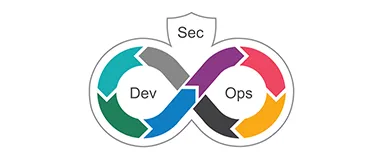
Our comprehensive range of DevOps services include:










Success stories

Daffodil helps Chalo to migrate to AWS cloud platform; resulting in 40% reduction in the cost of IT operations.
Explore Case Study
Automating infrastructure provisioning for a maritime research firm leading to a significantly reduced cloud cost
Explore Case Study
Accelerating product release cycle and content distribution with AWS Lambda
Explore Case StudyAutomate your workflows for better productivity and reliability with the help of our experts.
Get in touchLet’s add velocity to your software development and release cycle

The DevOps approach is an accepted norm for achieving the goal of continual product roll-outs. The velocity that DevOps services add to software development and infrastructure management is enabling organizations to innovate faster for customers while helping them adapt to changing markets better.
Our DevOps solutions have offerings for agile businesses to ascertain scalability, reduce security & compliance risk, increase operational efficiencies, and deliver better products, faster.
At Daffodil, the DevOps engineers ensure continuous integration and deployment of product updates to production. This is automated through DevOps tools and best practices to build, test, monitor, and deploy software releases.
DevOps outcomes we can help you achieve
Daffodil Software a Devops services and solutions company helps you get a quick assessment from our AWS-certified DevOps engineers. Identify your current maturity and business requirements, recognize potential challenges and set tangible goals for your DevOps strategy and implementation.
Apply security checks and safeguards throughout the CI/CD pipeline. Ensure continuous scanning to detect vulnerabilities with our DevSecOps services leading to sturdy integration and deployment.
Leverage our managed DevOps services to adopt cloud platforms at scale and execute operations with best practices for monitoring, backup, security, incident detection & management, cost optimization, etc.
Our DevOps consulting expertise can help you ensure that proper incident-management command structures are maintained for drastically reduced Mean-time-to-Recovery (MTTR).
Take an analytical approach to cloud cost optimization by tracking metrics such as cost, capacity, and usage of cloud resources. Dive deep into resource ownership, capacity planning, infrastructure budgeting, etc. with our DevOps consulting services.
With consistent innovation in CI/CD pipeline management, test-driven techniques, and incrementally faster turnaround times, maximize the value that you derive from your DevOps practices.

DevOps engagement models

Team Augmentation
Hire certified DevOps engineers to add additional talent to your team on an on-demand basis for the most enhanced CI/CD pipeline implementation.

DevOps Consulting
Our DevOps Consulting services can help you assess your existing DevOps maturity and suggest the best plan of action for your DevOps transformation.

DevOps Support & Maintenance
Enable quick turnarounds for DevOps implementation issues by getting constant updates from our support team. Get troubleshooting advice and tips for effective maintenance of your business-critical product components.
Why Daffodil Software
Recognized excellence. proven customer satisfaction





25+
Years Of Software Engineering Excellence

150+
Global Clientele

4.8
Avg CSAT Score

95%
Customer Retention Rate

1000+
Software Engineering Experts

50+
Subject Matter Experts
Ensuring best practices for DevOps transformation with:

Increased Automation
Expedite your development goals by automating continuous integration and delivery paradigms. Hire DevOps engineers from our team to configure AWS, Azure DevOps, or GCP resources with reusable templates to reduce container orchestration-led operational effort that is usually required to run containerized workloads.

Early Security Incorporation
Secure your DevOps workflows early on in the software development lifecycle to identify the origin of potential vulnerabilities with our DevOps services. You can expect high-velocity, yet secure delivery for your containerized applications and services as our DevOps monitoring expertise leads the way.

Deploying a Robust Toolchain
The most reliable DevOps toolchain must equip you with the most cutting-edge and suitable tools for each phase of your DevOps lifecycle. We facilitate end-to-end DevOps pipeline management to enable critical capabilities for continuous improvement of application quality and agile delivery.

Comprehensive Logging and Tracing
The most optimum methods of monitoring must be implemented using the three pillars of DevOps observability; traces, logs, and metrics. Our DevOps services help you achieve 100% visibility across the CI/CD pipeline irrespective of the system or application architecture.

Adopting Shift Left CI/CD Approach
Streamline code quality and testing with our DevOps services. Embracing the Shift Left methodology, we prioritize early and continuous testing throughout the development process. Our approach integrates unit testing, code reviews & analysis, and CI/CD pipelines, catching potential defects early on.
By breaking down silos between development and QA teams, we foster collaboration and shared responsibility for quality. Partner with our custom software development company to enhance code quality, minimize bugs, and accelerate your development cycle. Contact us today to leverage our DevOps managed services and deliver robust and reliable software applications.
Reliable DevOps toolchain utilisation
Pick and choose your preferred tools, environments, and configurations for a complete toolchain that’s seamlessly integrated with AWS, Azure or GCP. Our specialized DevOps and cloud migration consulting service will optimize your code deployment workflow.





Innovation redefined
We create agile and adaptable software solutions for your organization.
Watch our brand video.
DevOps Insights

The State of DevOps
As with every aspect of business, global economic conditions are necessitating the collaboration of software development and IT operations through more fine-tuned DevOps strategies. Some of the top driving factors for DevOps adoption in organizations include:
greater focus on agility, reducing the business risk of downtime, and up with the worldwide cloud-mandate of today’s IT landscape.
According to the Accelerate 2022 State Of DevOps Report (SODR), public cloud usage is up by a staggering 36% and hybrid cloud by 25% over just the last year. About two-thirds of all the respondents claim that increased security in the CI/CD pipeline is at the forefront of DevOps adoption. Technology enterprises that have achieved a considerable level of DevOps maturity are investing in more Site Reliability Engineering (SRE) efforts.
So, with a technology partner who has immense cloud-first technical expertise, you can ensure robust organizational performance through DevOps services centered on security, reliability, and multi-cloud management.
Why Should You Choose DevOps Services?
As technology firms are constantly evolving approaches to time-bound software engineering life cycles that are simultaneously cost-effective, DevOps arises as their best bet. A Gartner Enterprise DevOps Survey reported that 88% of enterprise teams feel that an organizational culture that encourages shared risk and information sharing must become the norm.
Efficient software delivery can lead to business success only if the reliability and quality of the software product can stay consistent through updates and change cycles. The right DevOps engineers can accommodate a seamless workflow for you that eliminates the knowledge silos of traditional software development. This is the approach that can lead to a favorable business outcome through timely cloud cost optimization and infrastructure automation powered by DevOps.
Challenges in DevOps Adoption
DevOps has piqued the interest of IT organizations with its unique set of cloud-managed services. Enterprises are leveraging the DevOps CI/CD pipeline to create a bridge between business, development, and operations. But many enterprises struggle to effectively implement DevOps. Let’s take a look at the major challenges that organizations face while adopting DevOps.
Cultural shift: The implementation of DevOps doesn’t happen in a flash, it gets difficult for people to get comfortable with its DevOps services. To make the transitioning process a bit smoother, organizations should maintain a healthy learning atmosphere in the workplace and let everyone slowly become accustomed to the DevOps culture.
Legacy Infrastructure to Cloud Migration: Organizations must migrate their monolithic architectures to microservices in order to reduce stability and reliability concerns. With cloud-native application development, organizations can deliver business values even faster and enable rapid cloud migration, development, and innovation.
Security threats: Without proper implementation of DevOps, your IT infrastructure might be susceptible to cyber threats. Therefore, deploying DevOps security in your system is crucial for your organization in order to reduce the risk, costs on resource management, and legal liability.
Limitations with tools and metrics: Dev and ITOps teams have different sets of goals and working systems, hence they use different dev and AIOps solutions, tools, and metrics to track the application performance. Therefore, it becomes problematic for the teams to collaborate together with the intimidating number of DevOps tools available. The lack of tool knowledge can become a challenge for organizations to choose the right tools that best align with their technical vision.
(item.title)+×
(item.content) && (As with every aspect of business, global economic conditions are necessitating the collaboration of software development and IT operations through more fine-tuned DevOps strategies. Some of the top driving factors for DevOps adoption in organizations include:
greater focus on agility, reducing the business risk of downtime, and up with the worldwide cloud-mandate of today’s IT landscape.
According to the Accelerate 2022 State Of DevOps Report (SODR), public cloud usage is up by a staggering 36% and hybrid cloud by 25% over just the last year. About two-thirds of all the respondents claim that increased security in the CI/CD pipeline is at the forefront of DevOps adoption. Technology enterprises that have achieved a considerable level of DevOps maturity are investing in more Site Reliability Engineering (SRE) efforts.
So, with a technology partner who has immense cloud-first technical expertise, you can ensure robust organizational performance through DevOps services centered on security, reliability, and multi-cloud management.
(item.title)+×
(item.content) && (As technology firms are constantly evolving approaches to time-bound software engineering life cycles that are simultaneously cost-effective, DevOps arises as their best bet. A Gartner Enterprise DevOps Survey reported that 88% of enterprise teams feel that an organizational culture that encourages shared risk and information sharing must become the norm.
Efficient software delivery can lead to business success only if the reliability and quality of the software product can stay consistent through updates and change cycles. The right DevOps engineers can accommodate a seamless workflow for you that eliminates the knowledge silos of traditional software development. This is the approach that can lead to a favorable business outcome through timely cloud cost optimization and infrastructure automation powered by DevOps.
(item.title)+×
(item.content) && (DevOps has piqued the interest of IT organizations with its unique set of cloud-managed services. Enterprises are leveraging the DevOps CI/CD pipeline to create a bridge between business, development, and operations. But many enterprises struggle to effectively implement DevOps. Let’s take a look at the major challenges that organizations face while adopting DevOps.
Cultural shift: The implementation of DevOps doesn’t happen in a flash, it gets difficult for people to get comfortable with its DevOps services. To make the transitioning process a bit smoother, organizations should maintain a healthy learning atmosphere in the workplace and let everyone slowly become accustomed to the DevOps culture.
Legacy Infrastructure to Cloud Migration: Organizations must migrate their monolithic architectures to microservices in order to reduce stability and reliability concerns. With cloud-native application development, organizations can deliver business values even faster and enable rapid cloud migration, development, and innovation.
Security threats: Without proper implementation of DevOps, your IT infrastructure might be susceptible to cyber threats. Therefore, deploying DevOps security in your system is crucial for your organization in order to reduce the risk, costs on resource management, and legal liability.
Limitations with tools and metrics: Dev and ITOps teams have different sets of goals and working systems, hence they use different dev and AIOps solutions, tools, and metrics to track the application performance. Therefore, it becomes problematic for the teams to collaborate together with the intimidating number of DevOps tools available. The lack of tool knowledge can become a challenge for organizations to choose the right tools that best align with their technical vision.
The State of DevOps
As with every aspect of business, global economic conditions are necessitating the collaboration of software development and IT operations through more fine-tuned DevOps strategies. Some of the top driving factors for DevOps adoption in organizations include:
greater focus on agility, reducing the business risk of downtime, and up with the worldwide cloud-mandate of today’s IT landscape.
According to the Accelerate 2022 State Of DevOps Report (SODR), public cloud usage is up by a staggering 36% and hybrid cloud by 25% over just the last year. About two-thirds of all the respondents claim that increased security in the CI/CD pipeline is at the forefront of DevOps adoption. Technology enterprises that have achieved a considerable level of DevOps maturity are investing in more Site Reliability Engineering (SRE) efforts.
So, with a technology partner who has immense cloud-first technical expertise, you can ensure robust organizational performance through DevOps services centered on security, reliability, and multi-cloud management.
Why Should You Choose DevOps Services?
As technology firms are constantly evolving approaches to time-bound software engineering life cycles that are simultaneously cost-effective, DevOps arises as their best bet. A Gartner Enterprise DevOps Survey reported that 88% of enterprise teams feel that an organizational culture that encourages shared risk and information sharing must become the norm.
Efficient software delivery can lead to business success only if the reliability and quality of the software product can stay consistent through updates and change cycles. The right DevOps engineers can accommodate a seamless workflow for you that eliminates the knowledge silos of traditional software development. This is the approach that can lead to a favorable business outcome through timely cloud cost optimization and infrastructure automation powered by DevOps.
Challenges in DevOps Adoption
DevOps has piqued the interest of IT organizations with its unique set of cloud-managed services. Enterprises are leveraging the DevOps CI/CD pipeline to create a bridge between business, development, and operations. But many enterprises struggle to effectively implement DevOps. Let’s take a look at the major challenges that organizations face while adopting DevOps.
Cultural shift: The implementation of DevOps doesn’t happen in a flash, it gets difficult for people to get comfortable with its DevOps services. To make the transitioning process a bit smoother, organizations should maintain a healthy learning atmosphere in the workplace and let everyone slowly become accustomed to the DevOps culture.
Legacy Infrastructure to Cloud Migration: Organizations must migrate their monolithic architectures to microservices in order to reduce stability and reliability concerns. With cloud-native application development, organizations can deliver business values even faster and enable rapid cloud migration, development, and innovation.
Security threats: Without proper implementation of DevOps, your IT infrastructure might be susceptible to cyber threats. Therefore, deploying DevOps security in your system is crucial for your organization in order to reduce the risk, costs on resource management, and legal liability.
Limitations with tools and metrics: Dev and ITOps teams have different sets of goals and working systems, hence they use different dev and AIOps solutions, tools, and metrics to track the application performance. Therefore, it becomes problematic for the teams to collaborate together with the intimidating number of DevOps tools available. The lack of tool knowledge can become a challenge for organizations to choose the right tools that best align with their technical vision.
Your first DevOps consulting session is on us!

Frequently asked questions (FAQs)
Yes, you can. Daffodil ensures the end-to-end DevOps managed services facilitating an automated delivery pipeline. It includes multi-cloud management, performance optimization, continuous integration/deployment, DevSecOps as well as site reliability engineering.
Our DevOps strategy will be designed keeping in mind your business goals and requirements. We entirely manage the entire delivery pipeline so that you can focus on your business values and innovative strategies for its growth.
As a DevOps consulting partner, Daffodil Software offers a flexible cost estimation model that varies depending on the business/project requirements. DevOps engineers and resources are allocated depending on the size and complexity of the project.
Our business analysts first prepare a project/work scope and its stages to evaluate the total time and developers required to complete the project on time. We foster smooth and transparent communication to build trust and ensure that your vision and requirements are converted into reality as per your expectations.
While DevOps primarily aims to improve enterprise software systems by bridging IT operations and software development. DevOps and its practices span a wide range of industries such as banking, supply chain management, healthcare, insurance, etc.
Moreover, the DevOps organizational culture and practices can be implemented not just for better software delivery or multi-cloud management. These industries can utilize DevOps principles for evolving their non-tech workflows as well; from compliance and customer engagement to even human resource management.