
Trusted by Global Tech Leaders to Disruptive Startups






A 6-step workshop for complete requirement analysis & discovery

Concept analysis & discovery
Gain a clear understanding of your product idea and how it supports the long-term objectives of the business.
Analyze USPs, potential gaps, and market opportunities to strengthen your product’s market fit.
Conduct research to assess technical, market, and financial viability to make sure that the concept can be successfully executed.
Requirement analysis
Analyze competitors and similar products to identify strengths, weaknesses and opportunities for differentiation in your solution.
Identify specific features that set your product apart from the competitors.
Create a detailed list of features, user stories, notifications, and assumptions to outline the product’s functional scope and behavior.
Visualize the system’s process and user interactions through diagrams that clarify the workflow and relationships between components.
Solution framing
Define the essential features required for the product to meet core business goals and user needs.
Understand what drives your target users including their goals, pain points, and desires to ensure better product alignment.
Design workflows that outline the step-by-step processes for how users and the business will interact with the product.
Define minimum viable product (MVP) by selecting the critical features needed for an initial launch.
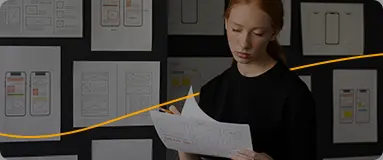
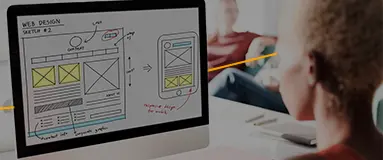
Create sketches of the user interface to visualize the layout and flow of the product.
Wireframing
Develop interactive wireframes that allow users to navigate between screens to provide a realistic preview of the product’s flow.
Suggest themes and design principles that align with the brand’s identity to enhance the user experience.
Focus on user experience by ensuring wireframes prioritize usability, intuitive navigation and seamless interactions for a positive user journey.
Technical architecture
Recommend a suitable technology stack including frontend, backend, database, and cloud infrastructure.
Identify necessary third-party tools and integrations such as payment gateways, analytics platforms or APIs to enhance functionality.
Create a high-level block diagram illustrating the architecture’s layers which include data flow, components and key system interactions.
Techno-commercial proposal
Deliver a comprehensive proposal that outlines the project scope, cost estimates and resources required based on the agreed-upon deliverables.
Present a structured development plan detailing phases, tasks and deliverables to ensure clear visibility into the entire product lifecycle.
Finalize the project timeline and key milestones to provide a roadmap for deliverables, progress tracking and deadlines.
(item.title)+×
(item.content) && (Gain a clear understanding of your product idea and how it supports the long-term objectives of the business.
Analyze USPs, potential gaps, and market opportunities to strengthen your product’s market fit.
Conduct research to assess technical, market, and financial viability to make sure that the concept can be successfully executed.
(item.title)+×
(item.content) && (Analyze competitors and similar products to identify strengths, weaknesses and opportunities for differentiation in your solution.
Identify specific features that set your product apart from the competitors.
Create a detailed list of features, user stories, notifications, and assumptions to outline the product’s functional scope and behavior.
Visualize the system’s process and user interactions through diagrams that clarify the workflow and relationships between components.
(item.title)+×
(item.content) && (Define the essential features required for the product to meet core business goals and user needs.
Understand what drives your target users including their goals, pain points, and desires to ensure better product alignment.
Design workflows that outline the step-by-step processes for how users and the business will interact with the product.
Define minimum viable product (MVP) by selecting the critical features needed for an initial launch.
Create sketches of the user interface to visualize the layout and flow of the product.
(item.title)+×
(item.content) && (Develop interactive wireframes that allow users to navigate between screens to provide a realistic preview of the product’s flow.
Suggest themes and design principles that align with the brand’s identity to enhance the user experience.
Focus on user experience by ensuring wireframes prioritize usability, intuitive navigation and seamless interactions for a positive user journey.
(item.title)+×
(item.content) && (Recommend a suitable technology stack including frontend, backend, database, and cloud infrastructure.
Identify necessary third-party tools and integrations such as payment gateways, analytics platforms or APIs to enhance functionality.
Create a high-level block diagram illustrating the architecture’s layers which include data flow, components and key system interactions.
(item.title)+×
(item.content) && (Deliver a comprehensive proposal that outlines the project scope, cost estimates and resources required based on the agreed-upon deliverables.
Present a structured development plan detailing phases, tasks and deliverables to ensure clear visibility into the entire product lifecycle.
Finalize the project timeline and key milestones to provide a roadmap for deliverables, progress tracking and deadlines.
Concept analysis & discovery
Gain a clear understanding of your product idea and how it supports the long-term objectives of the business.
Analyze USPs, potential gaps, and market opportunities to strengthen your product’s market fit.
Conduct research to assess technical, market, and financial viability to make sure that the concept can be successfully executed.
Requirement analysis
Analyze competitors and similar products to identify strengths, weaknesses and opportunities for differentiation in your solution.
Identify specific features that set your product apart from the competitors.
Create a detailed list of features, user stories, notifications, and assumptions to outline the product’s functional scope and behavior.
Visualize the system’s process and user interactions through diagrams that clarify the workflow and relationships between components.
Solution framing
Define the essential features required for the product to meet core business goals and user needs.
Understand what drives your target users including their goals, pain points, and desires to ensure better product alignment.
Design workflows that outline the step-by-step processes for how users and the business will interact with the product.
Define minimum viable product (MVP) by selecting the critical features needed for an initial launch.
Create sketches of the user interface to visualize the layout and flow of the product.
Wireframing
Develop interactive wireframes that allow users to navigate between screens to provide a realistic preview of the product’s flow.
Suggest themes and design principles that align with the brand’s identity to enhance the user experience.
Focus on user experience by ensuring wireframes prioritize usability, intuitive navigation and seamless interactions for a positive user journey.
Technical architecture
Recommend a suitable technology stack including frontend, backend, database, and cloud infrastructure.
Identify necessary third-party tools and integrations such as payment gateways, analytics platforms or APIs to enhance functionality.
Create a high-level block diagram illustrating the architecture’s layers which include data flow, components and key system interactions.
Techno-commercial proposal
Deliver a comprehensive proposal that outlines the project scope, cost estimates and resources required based on the agreed-upon deliverables.
Present a structured development plan detailing phases, tasks and deliverables to ensure clear visibility into the entire product lifecycle.
Finalize the project timeline and key milestones to provide a roadmap for deliverables, progress tracking and deadlines.
At the end of the discover & frame workshop, walk away with



Transform your ideas into a clear development roadmap
Get in touch!The value we deliver through our discover & frame workshop:
We can help you with in-depth analysis and clear strategic direction to make well-informed decisions. By aligning business goals with emerging trends and technologies, we can help you develop products that are sustainable and adaptable to future market shifts.
We can help you validate your business concepts with tangible data and real-world feasibility assessments through a structured analysis of your ideas. This can help to mitigate risk to ensure your concepts are viable before committing significant resources.
We can help you streamline the product development process by defining clear objectives, technical requirements and roadmaps from the start. This clarity accelerates decision-making and execution to help you launch your product faster while maintaining quality and innovation.

Selected success stories

Developing a gold trading application for a UAE-based e-commerce company
Explore Case Study
National Nutrition, Canada's leading natural health product company revamped its e-commerce portal
Explore Case Study
Developing an ed-tech platform for a US-based startup
Explore Case StudyWhy Daffodil Software
Recognized excellence. proven customer satisfaction





25+
Years Of Software Engineering Excellence

150+
Global Clientele

4.8
Avg CSAT Score

95%
Customer Retention Rate

1000+
Software Engineering Experts

50+
Subject Matter Experts
Why Daffodil’s discover & frame workshop?

Daffodil’s Discover & Frame workshop goes beyond traditional consulting by focusing on agility and precision. It’s not only about gathering requirements—it aims to delve into the product vision and align it according to the market. Our workshop helps minimize development risks by providing a clear roadmap before any code is written. Through concentrating on essential features, user personas and technical feasibility, we make sure that you don’t just build a product but a solution that resonates with your users and business goals. Additionally, the lean approach we take guarantees cost-effectiveness that allow you to optimize resources and achieve quicker time-to-market.
Innovation redefined
We create technology forward, innovative cloud solutions to keep you ahead in the game, always.
Watch our brand video.
Want to validate your ideas and drive innovation? Contact us today!

Frequently Asked Questions (FAQs)
A Discover and Frame Workshop is a collaborative and research-driven session where we help you define your product vision, objectives, and key requirements. This process involves deep analysis and planning to make sure that your product concept is clearly aligned with business objectives and user needs before development kicks off.
Investing in a Discover and Frame Workshop can reduce risks and set a solid foundation for your product’s success. It allows you to refine your project’s scope, prioritize features and align all stakeholders ultimately saving time, effort and costs in the long term.
Upon completion of the workshop session, you will be provided with a product roadmap, along with a prioritized list of features to be incorporated which may include wireframes or prototypes well as a technical architecture blueprint and a techno-commercial proposal detailing anticipated expenses and projected timelines.